By Sydney S.
How often are you clothed throughout the day? If the average person is unclothed for only about 30 minutes a day (to shower, dress, have sex, etc.), it means we spend the overwhelmingly majority – 98% – of our time clothed. And because of the current state of ethical clothing, it means the average person spends 98% of their day surrounded in suffering – someone else’s suffering.
In the United States, 97% of our clothing is currently imported.1 Importing clothing from other countries isn’t problematic in theory; it allows other (usually developing) countries the opportunity to grow an ever-thriving industry and improve their own economies. But the astronomical rise of “fast fashion” has overtaken the clothing industry and proven detrimental to humans and the environment. If you haven’t heard of the term before, fast fashion is poor-quality clothing sold at incredibly cheap prices, usually only worn a few times before being discarded. And in practice, fast fashion has bred a broken and dangerous cycle that persists with each and every fast fashion piece we purchase.
Ethical fashion is the answer to this problem. And while the definition of ethical fashion varies, the overarching principle is the same: workers are treated humanely by the companies that employ them. Producing clothing ethically means workers are paid living wages for skillful work, ensured safe working conditions, and child labor is prohibited. But ethical fashion is the exception, NOT the norm. And with millions of garment workers, it means only a slim margin of the garment workers in the industry are producing our clothing under safe, healthy conditions. The unfortunate reality is each one of us has bought a piece of clothing that harmed another human being. And now, with each purchase you make, you are either supporting or opposing the harm of garment workers.
Actionable Tips: So how can you help? Here’s a few steps you should begin to take:
- Visit your favorite clothing store’s website, and view their “About Us” page. Is there any mention of the standards they set for the factories producing their garments?
- Take a look at the inside tag on the shirt you’re wearing and find out where it was made.
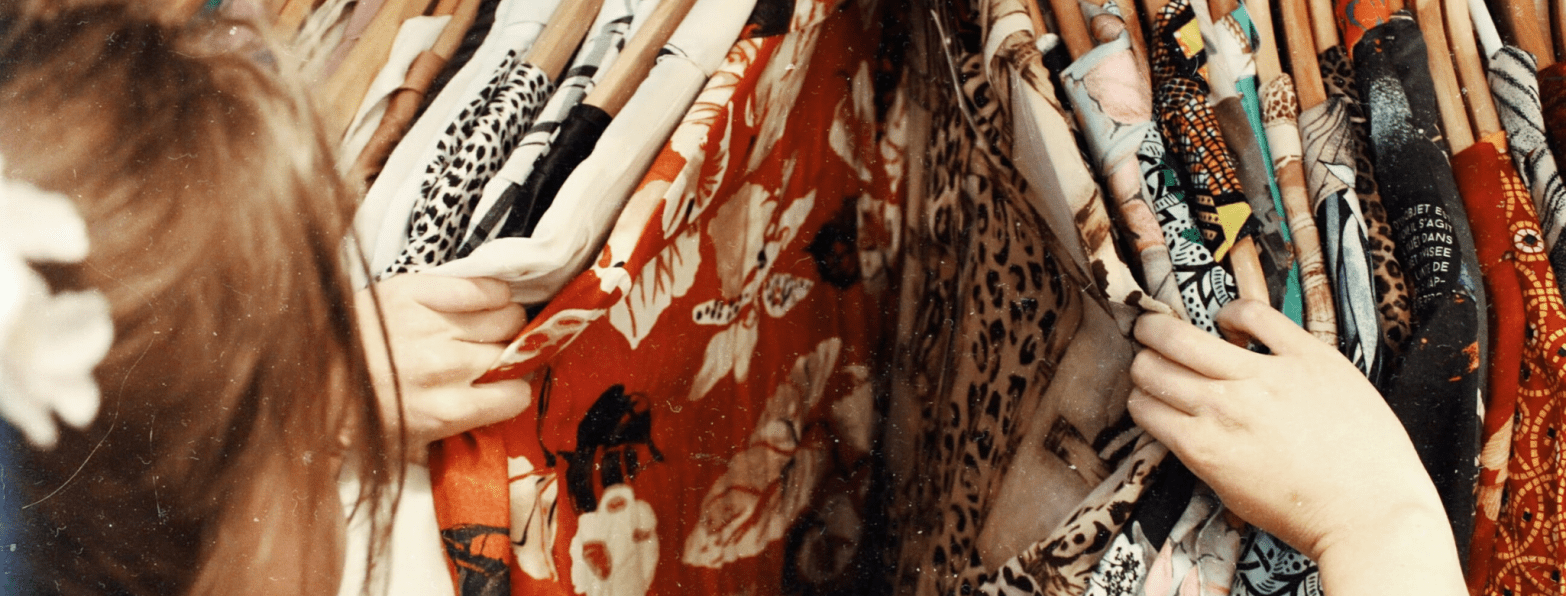
- If you need some retail therapy, shop local resale stores for amazing deals or shop on websites like Poshmark, eBay, or Mercari. Thrifting is a great way to discourage disposing of pieces who just need a new owner.
- Decided to purchase a brand new piece? Visit some tried-and-true ethical & sustainable clothing companies to see if you can buy it ethically:
- ABLE
- Boden
- Fair Indigo
- Girlfriend Collective
- Patagonia
- REI – yes, all of the clothing brands carried on their site are ethical!
Sources:
1- Wear No Evil by Greta Eagan
 Sustainable Saplings
Great perspective in this article!
LikeLike